


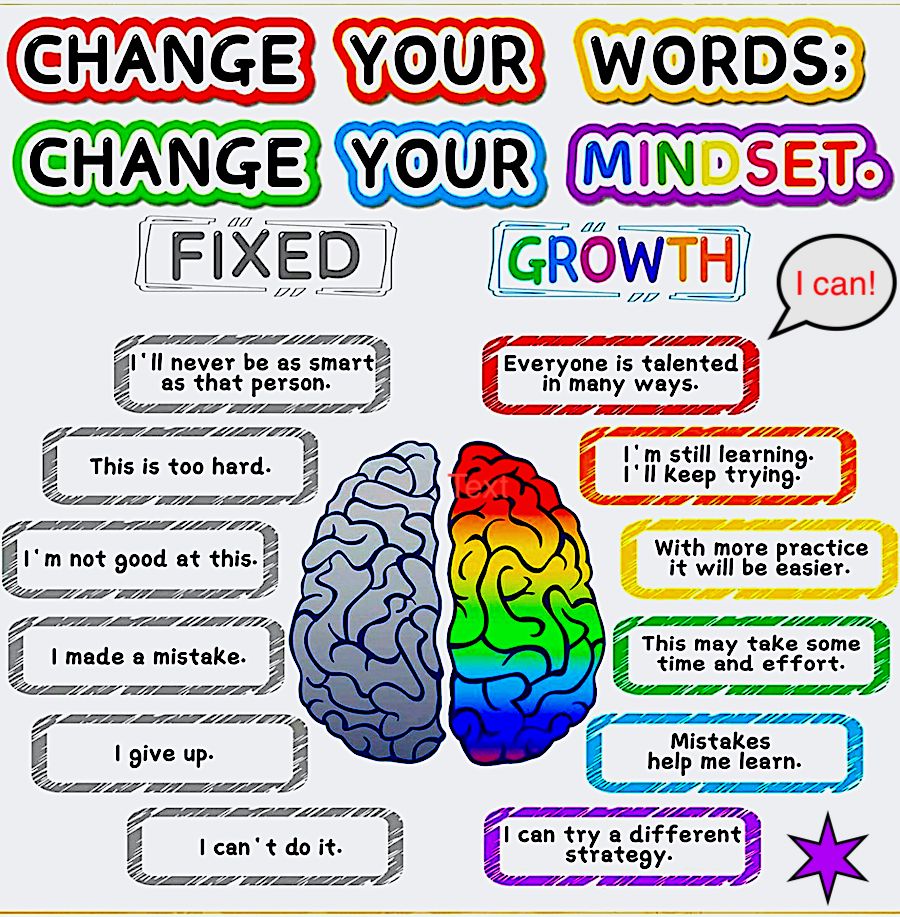
May is Mental Health Awareness Month, a perfect time to raise awareness about mental health challenges and remove the perceived stigma of seeking help. This year’s theme is Tools 2 Thrive, which highlights the different strategies people can use to improve their mental health and well being. One critical tool for building resilience and coping with the challenges of life that everyone can benefit from is having a growth mindset. What does that mean?
People with a fixed mindset believe that their abilities and intelligence are fixed and cannot be changed. They see failures and setbacks as evidence of their limitations, and they are less likely to take risks or try new things. Often they are also intimidated by or resentful of the success of others.
On the other hand, a growth mindset is the belief that one’s abilities and intelligence can be developed and improved through hard work, dedication, and perseverance. People with a growth mindset see challenges as opportunities to learn and grow, rather than as threats to their abilities. They are open to feedback and willing to put in the effort to improve their skills and knowledge.
Here are a few ways a growth mindset can enable you to bounce back from adversity and thrive in everyday life:
- Focus on effort and hard work, rather than innate abilities. This helps you develop a sense of control over your life and your ability to improve your circumstances.
- See setbacks as temporary and believe that you can overcome them, cultivating a positive attitude towards life. When you experience stress and adversity. it’s less overwhelming because you know that it will pass.
- Embrace challenges as opportunities to learn and grow. This encourages you to try different things and develop new skills that can help you cope with future challenges.
- Use failure as a learning opportunity. You are more likely to persevere in the face of adversity and try again, rather than giving up because you understand that failures have something valuable to teach you.
- Seek feedback and learn from others. This can help you identify both strengths and areas for improvement, uncovering different solutions and bolstering your confidence as you learn and practice a new skill or behavior.
In what ways do you already exhibit a growth mindset? What new things would you like to try?
 Oceanwave Coaching