



Have you ever found yourself in a conversation where you felt like you were doing all the talking and the other person wasn’t engaging as much as you’d like? Maybe they’re giving brief or yes/no answers when you’d really like to spark their creative juices or understand their viewpoint? If their terseness isn’t due to a lack of psychological safety, maybe the challenge lies in the way the questions are being asked.
Incorporating open-ended questions, and actively listening to the answers, can show that you value someone’s thoughts and opinions. It encourages the other person to participate more fully and express their genuine perspectives in a detailed and thoughtful way. This creates a sense of balance and dynamism in your interaction, making it more fulfilling for each of you.
This technique can be useful in a number of situations, including research, problem-solving, relationship building, and personal/professional growth-oriented conversations, just to name a few. The resulting discussion often encourages each participant to share and consider alternative approaches. It may even lead to new realizations and a broader understanding of themselves (and others).
So what does a good open-ended question look like?
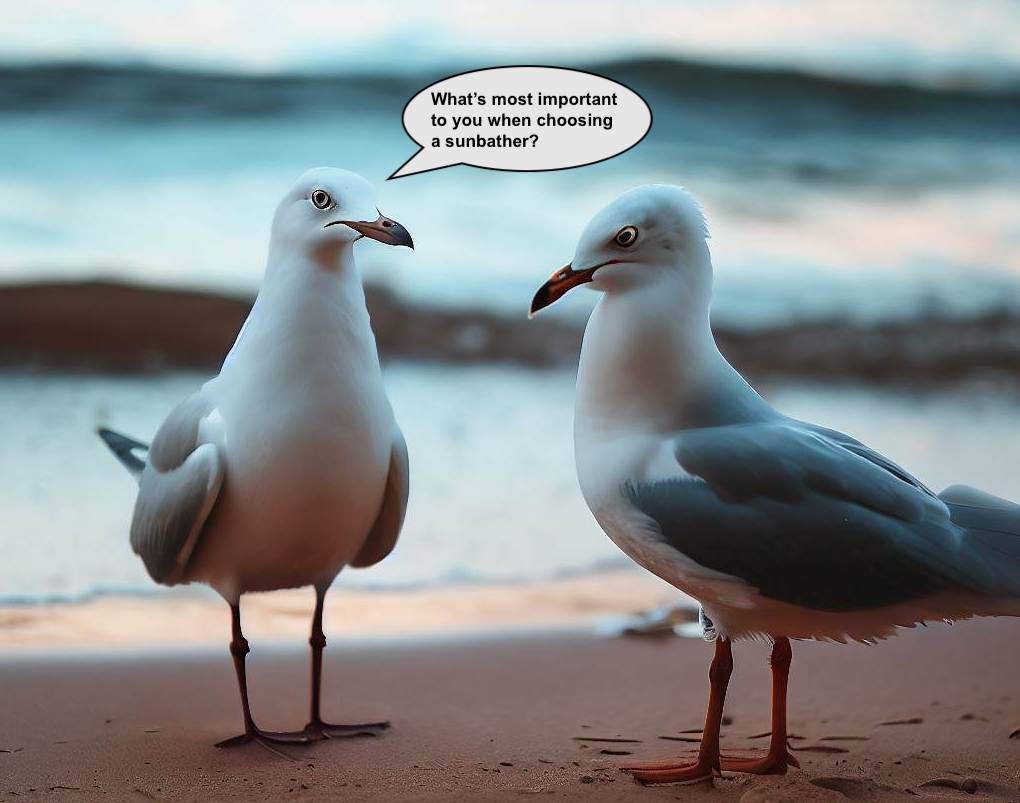
When people want to invite others into a discussion, they often start by asking “Why?” questions. “Why do you think that?” “Why did you do that?” “Why is that important?” This might work in some situations, but in many cases this phrasing can also unintentionally come across as confrontational or probing, making the other person defensive or uncomfortable. Asking “What?” questions can help circumvent that feeling of accusation and feel more collaborative. “What was your train of thought in that situation?” “What factors influenced your decision making?” “What aspects are important in thinking about that?”
Two other important things about powerful questions are that they assume that:
- It’s impossible for the asker to know the answer.
- There is no right answer.
The response to these questions is always unique to the experiences and situation of the person answering them. Asking the question with an expectation of a certain response implies that the asker knows the thoughts and feelings of the responder better than the responder does. This lack of open-minded curiosity can influcence the direction of a conversation and restrict its possibilities.
In her book Resilient Management (and on her website), Lara Hogan has a great list of 20 open-ended questions. Though she’s focusing on this in a management context, you’ll find that you can use these in a variety of situations.
| Instead of This | Try This |
|---|---|
| Did you already try…? | What is your gut telling you? |
| Why did this make you react that way? | What feels surprising? |
| Why does this matter so much to you? | Which of your core values is being messed with? |
| Why did you do that? | What’s the driving force here? |
| Who can do this for you? | If you could wave a magic wand, what one thing would you change? |
| Why can’t you move forward? | What’s feeling fuzzy about this? |
| What if you tried…? | What, deep-down, do you truly want? |
| Why are you stuck? | What’s feeling stuck? |
| Why are you hesitating? | What’s the most likely outcome, and what’s the worst possible outcome? |
| How will you measure success? | What’s the #1 most important aspect of this? |
| Who have you talked to about this already? | What do you need? |
| How can you have better results next time? | What’s in the way? |
| What’s your first/next step? | What, if anything, is going unsaid? |
| What’s your proposed solution? | What’s your north star here? |
| What do you want to change about yourself? | What effect/impact do you want to have? |
| Why haven’t you taken that step yet? | What’s holding you back? |
| How do you know…? | What’s your spidey sense telling you? |
| Why are you feeling anxious? | What’s feeling especially significant about this? |
| Why do you want that? | What do you find motivating? |
| Why not [this other thing/solution]? | What are you optimizing for? |
Where might these questions come in handy in your own interactions?
 Oceanwave Coaching