


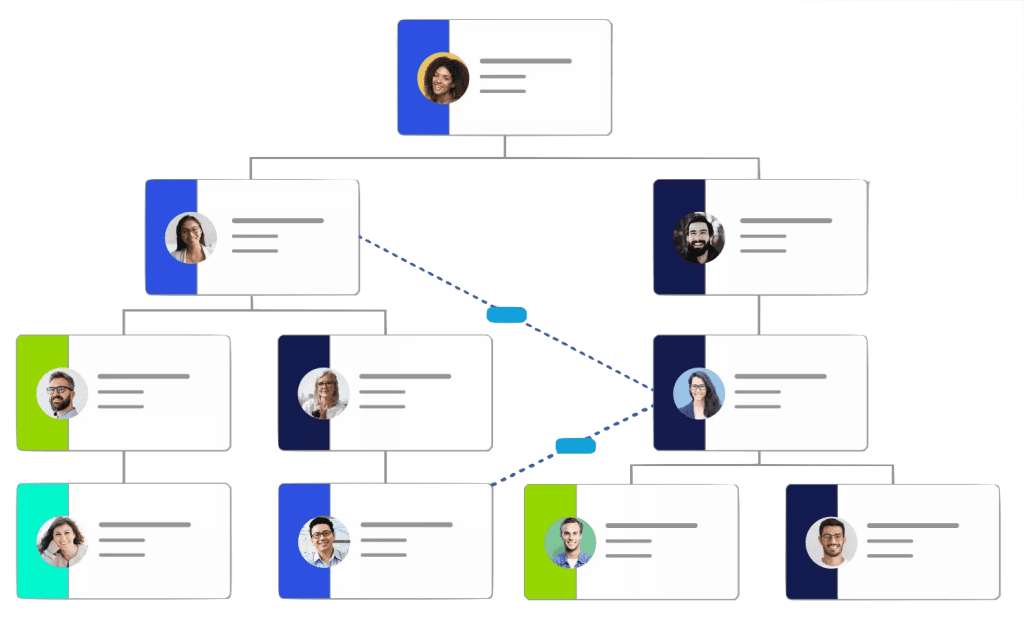
Relationship Mapping might sound like a term from a corporate retreat or an advanced business class. But, in reality, it’s a tool that can help anyone, from executives to interns, enhance their relationships, build trust, and leverage connections in the workplace. As a coach, I firmly believe in the power of relationships to help you achieve your goals, so let’s delve into what Relationship Mapping is, the benefits it provides, and how to effectively use it.
What is The Purpose of Relationship Mapping?
Relationship Mapping is a systematic approach to visually represent and analyze the interconnections between individuals within a particular ecosystem. This ecosystem could be a company, a community, an industry, or even within a family.
These maps can range from simple diagrams to complex webs that reflect layers of connections, influences, and hierarchies. The core idea is to identify key stakeholders, decision-makers, influencers, supporters, and potential barriers or opponents in the context of a particular objective or goal.
Graphing out relationship might look pretty, but what’s the point of the exercise? This really depends on the goal you have in mind when you build the map. Some common uses include:
- Building Better Relationships: By visually charting out the relationships, you become more aware of how people are connected. This can guide your interactions, helping you build deeper and more meaningful relationships.
- Making Strategic Decisions: The map aids in understanding which relationships need further nurturing, where potential opportunities lie, and where challenges might arise. By analyzing this, you can prioritize your networking and relationship-building efforts.
- Recognizing Hidden Influencers: Often, influencers aren’t just the individuals in high-power positions. There could be individuals who, by virtue of their connections, experience, or knowledge, have more sway than it might appear at face value.
- Enhancing Communication: By understanding the dynamics, you can tailor your communication styles and strategies to resonate more effectively with different individuals.
Building and Using the Relationship Mapping
Elements of the Map
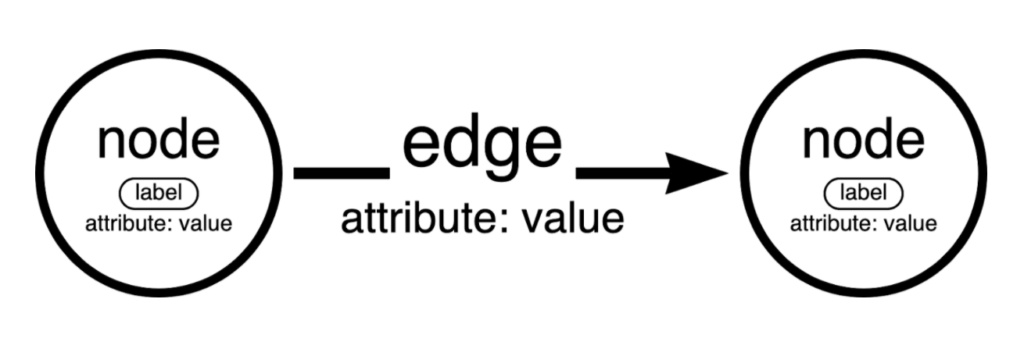
Each relationship map has some basic building blocks:
- Nodes: These are the individual entities within the map. Often, they represent people, but in broader applications, they can also represent teams, departments, or companies. You can use color, size, shape, placement, etc to provide visual queues.
- Edges (or Ties): These are the lines connecting the nodes, indicating a relationship between them. The nature, strength, and direction of these relationships can vary and can be represented through different colors, line thickness, line pattern, or arrows.
- Attributes: These provide additional information about the nodes or edges, like the duration of the relationship, frequency of interaction, or the nature of the connection (mentor-mentee, peer-peer, superior-subordinate).
A Relationship Map doesn’t only show who is connected to whom. It can delve deeper and visually (or in text as part of the node description) represent information like:
- Nature of Relationship: Is the node a supporter, influencer, opponent, relationship you want to foster?
- Strength of Bond: Is it a close bond, a mere acquaintance, or something in between?
- History: How long have the two nodes been connected? Have there been highs and lows?
- Influence Dynamics: Who wields more power or influence in the relationship?
Building the Map
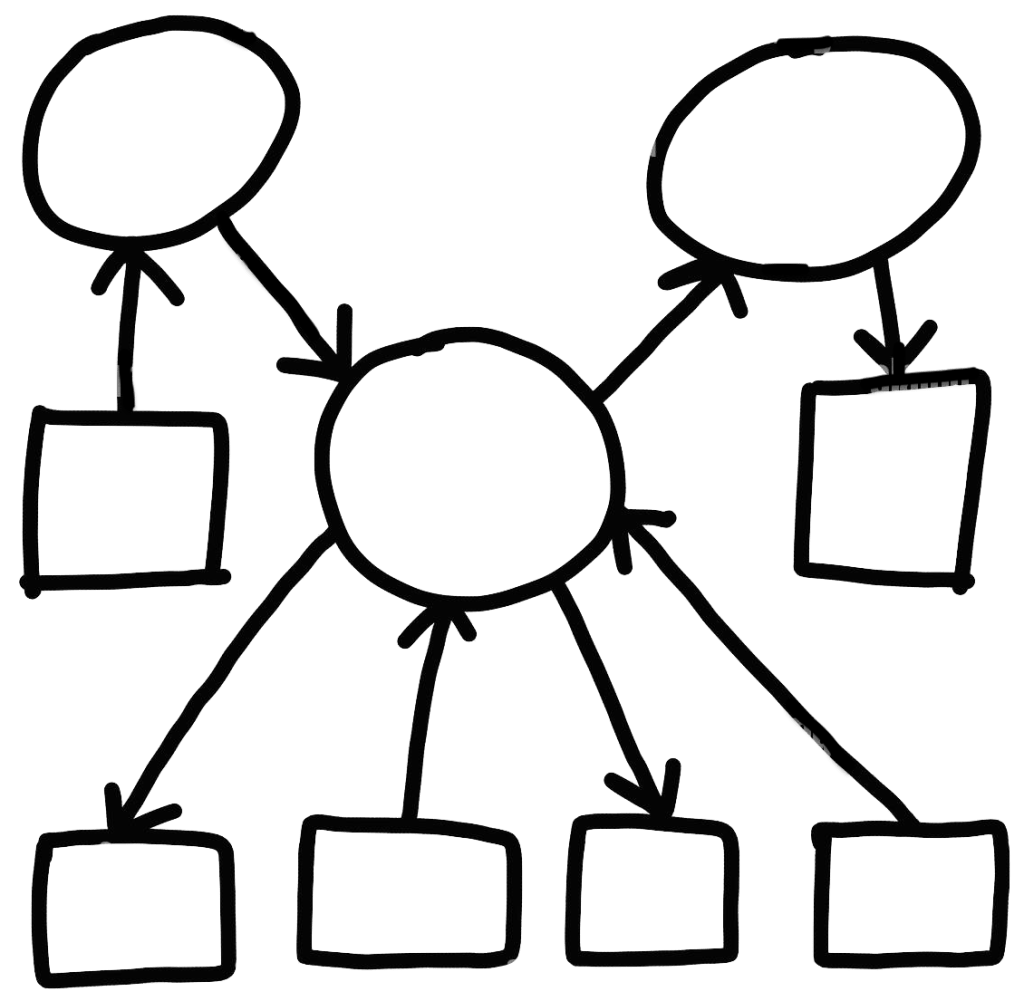
Before you start, you need to know what you’re mapping for. Are you launching a new project, aiming for a promotion, or trying to build a collaborative team? Once you have that objective in mind, grab a piece of paper or your favorite graphing tool!
Create the Nodes: Start by creating nodes (circles, boxes, etc) for yourself and the individuals who are directly or indirectly linked to your objective. Don’t just think in terms of hierarchy; consider peers, subordinates, cross-departmental colleagues, etc.
Fill in some Important Attributes: With the list in hand, start filling in some information that will be useful for your goal. If your objective is to understand corporate dynamics in order to influence your organization’s strategy, you might consider adding something like:
- The person’s department and title (text)
- How long they’ve been at the company (shape of node)
- How many people report to them (size of node)
- How many successful projects they’ve led or business lines they manage. (color of node)
Draw the Edges: Now start drawing connections, again asking questions that relate to your goal. To go back to the same goal, you might want to represent:
- Who trusts whom? (line thickness)
- Who has worked together in the past? (line pattern)
- Who are the go-to people for different types of information? (line color)
- Who has the decision making power? (arrows)
Using the Map
Now that you’ve created your map, analyze it for patterns and gaps and use that information to take action and make changes that will help you realize your goal.

Analyze Your Map: What are the patterns that emerge? Ask yourself questions about your goal that can help lead to actions you want to take.
- Who are your allies?
- Where are potential challenges?
- Which relationships are strong, and which need development?
Develop an Action Plan: Based on your analysis, create a strategy. This might include setting up regular coffee chats with a colleague, seeking mentorship from an influencer, or collaborating on a pitch with someone from another department.
Review & Revise: As relationships evolve, so should your map. Regularly revisit your relationship map to ensure it remains relevant and reflects the current dynamics.
꧁༺ ༻꧂
Relationships can make or break a deal, a project, or even a career, so understanding the intricate web of connections is strategic. Relationship Mapping isn’t just about making friends in high places; it’s about understanding the ecosystem you’re part of and navigating it with insight and intention.
 Oceanwave Coaching