


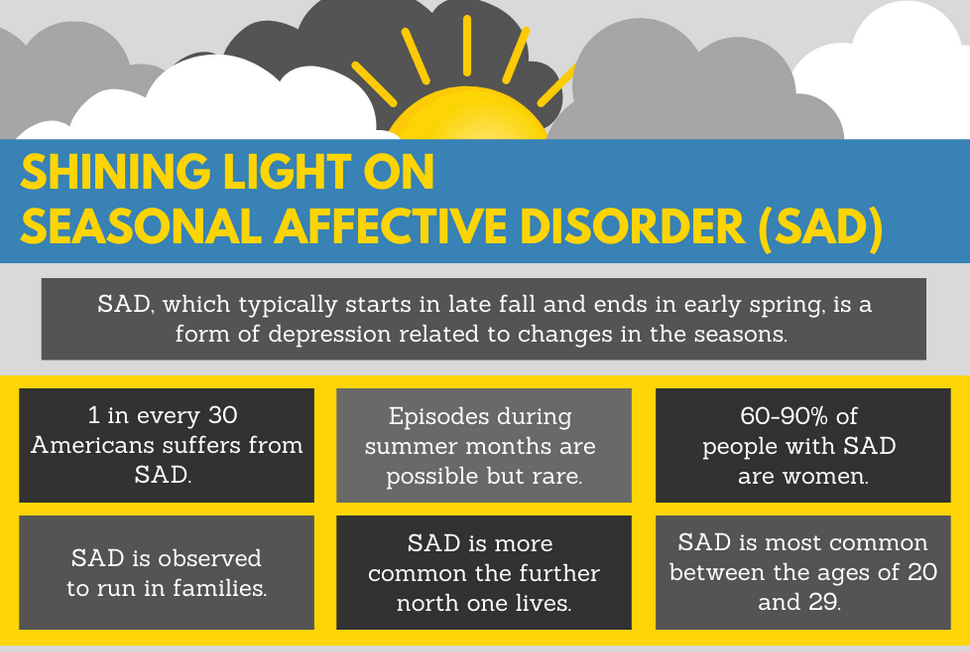
As winter unfolds, bringing with it shorter days and longer nights, many find themselves host to an unwelcome guest: Seasonal Affective Disorder (SAD). This condition goes beyond the common wintertime blues, manifesting as a type of depression that cyclically appears and fades as the seasons change. It’s not uncommon during these colder months for you or your team to feel an uncharacteristic downswing in mood—a sign that might point towards SAD rather than just a bad day.
The science behind SAD is revealing. Reduced sunlight in winter months is known to disrupt our internal clocks, or circadian rhythms, leading to decreased serotonin, a mood-regulating neurotransmitter, and altered melatonin levels, which manage our sleep patterns. These changes can significantly affect our overall mood and well-being. It’s more than just a feeling; the American Academy of Family Physicians reports that 4% to 6% of individuals may experience severe winter depression, with an additional 10% to 20% encountering milder forms of SAD. These statistics underscore the reality that winter’s grip can extend beyond the physical cold into the emotional well-being of many.
First, it’s vital to recognize the signs within yourself. You might feel a little slower, perhaps less enthusiastic, or find it harder to wake up in the morning. These are not signs of weakness but natural responses to the changing seasons. Acknowledge these feelings; they are as much a part of you as your joy and vigor in the brighter months. When you notice these changes, embrace gentle self-compassion. Adjust your pace, allow for rest, and redefine what productivity looks like for you. It might mean shorter but more focused work periods, or integrating more deliberate breaks throughout your day.
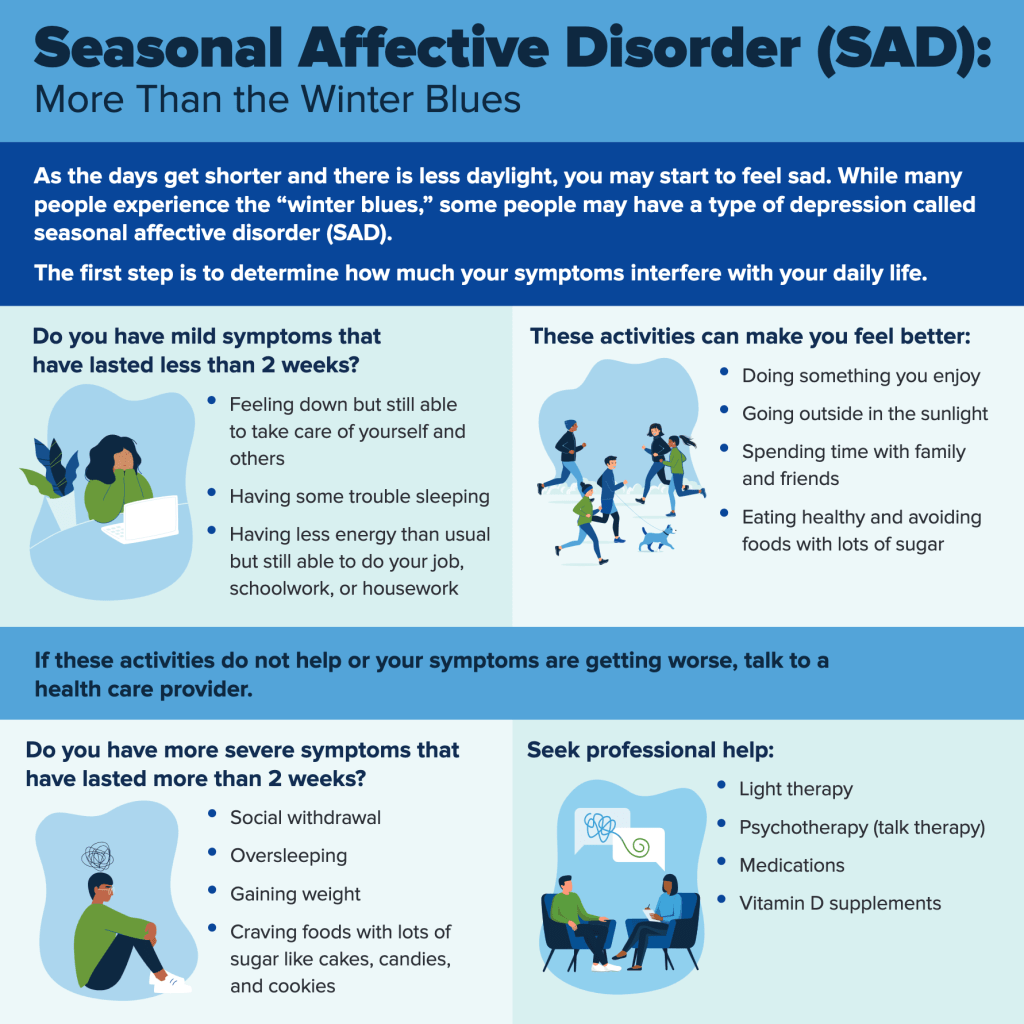
As a leader, your awareness needs to extend beyond yourself to the pulse of your team. You’re not expected to diagnose or treat SAD, but you can play a critical role in connecting your team with the resources they need. Proactively engage with them and advocate for policies that create a supportive and adaptive work environment. By adopting these measures, you not only affirm your commitment to the team’s holistic well-being but also foster a nurturing and resilient organizational culture.
To support our teams, we can implement a variety of strategies. Opening dialogues about well-being, sponsoring peer support groups, and providing flexible working hours for better sunlight exposure are key. Enhancing workspaces with natural or full-spectrum lighting and offering financial support for phototherapy can also make significant differences. Ensuring that everyone has access to the mental health resources they need underscores our commitment to a holistic approach to well-being.
Another powerful tool in combating the general winter blues is connection. While the cold might make us want to hibernate, maintaining and fostering relationships can provide significant emotional warmth. Organize team activities that are mindful of individual energy levels—perhaps a virtual coffee break or a team lunch. The goal is not just to maintain productivity but to cultivate a sense of belonging and mutual support. As leaders, we’re also educators and role models. Share your strategies and what you’re personally doing to manage the season’s effects. Maybe you’ve taken up a new indoor hobby, or you’re making it a point to walk during the brightest part of the day. Your openness will not only provide your team with practical ideas but also build trust and humanize the leadership experience

As you journey through the winter months, view this season as a temporary passage offering a unique opportunity for reflection, connection, and growth. Addressing SAD and the broader winter blues is part of cultivating a culture of wellness and understanding that lasts year-round. By acknowledging and responding to your own needs and those of your teams, you enhance well-being and fortify the resilience and productivity of your organizations. Continue to adapt, support, and inspire, turning even the coldest months into a period of collective and individual strength.
 Oceanwave Coaching
Leave a comment