
-
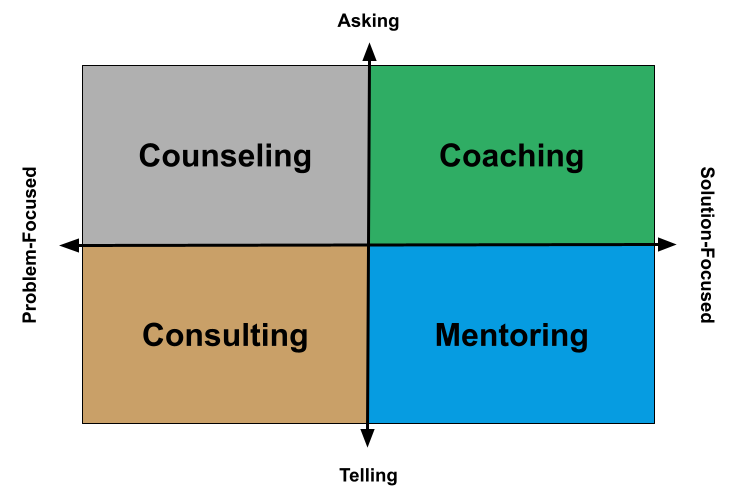
How is Coaching Different From Similar Disciplines?
Read more: How is Coaching Different From Similar Disciplines?You need some help getting unstuck so you can reach your professional or business goals… so where do you turn? When it comes to professional development and support, there are four main disciplines to consider: coaching, therapy/counseling, mentoring, and consulting. Each of these approaches varies in focus, whether they’re problem-solving or solution-oriented, and whether they believe the client already has the answers or needs guidance. Understanding the differences between them can help you determine which one is best suited for your current needs and stage of growth. Coaching is a variable-length, creative partnership of equals, focused on the present and…
-
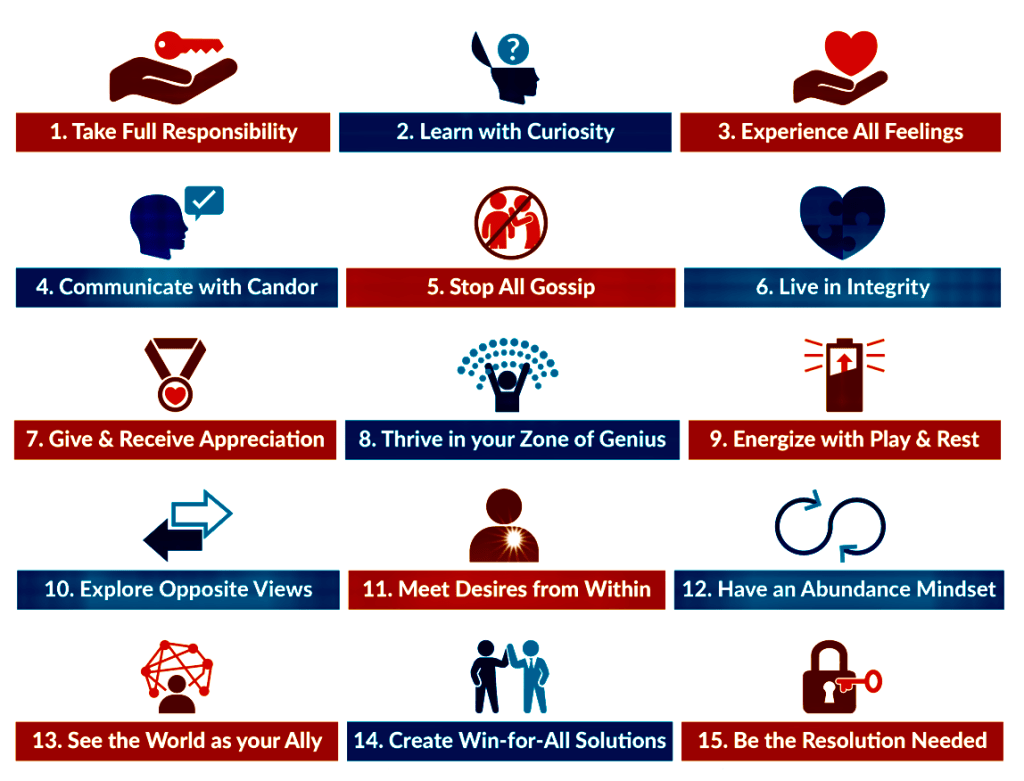
Living the 15 Commitments of Conscious Leadership
Read more: Living the 15 Commitments of Conscious LeadershipIf you’re like many top leaders, the last few years of trying to navigate overwhelming uncertainty while supporting others has been incredibly challenging. It can feel like you spend all of your time and energy just treading water instead of focusing on improving the parts of your organization that need it the most. Practicing conscious leadership, as described by Jim Dethmer, Diana Chapman, and Kaley Klemp in their book The 15 Commitments of Conscious Leadership, might be the boost you’re looking for. The central premise of the book entails 15 guidelines, or commitments, that emphasize ending drama (1-6), reinvesting that…
-

Building Psychological Safety In The Workplace
Read more: Building Psychological Safety In The WorkplaceThe concept of psychological safety was popularized by the Harvard Business School professor, Amy Edmondson, in the early 2000s through her research and books on team dynamics and learning organizations. The term refers to a shared belief within a group or organization that individuals can express themselves, take risks, share their ideas, and be their authentic selves without fear of negative consequences, embarrassment, or punishment. Psychological safety is not just about being “nice” or avoiding conflict. On the contrary, it’s about creating an atmosphere where open communication and constructive feedback are encouraged, even when ideas or opinions may challenge the…
-
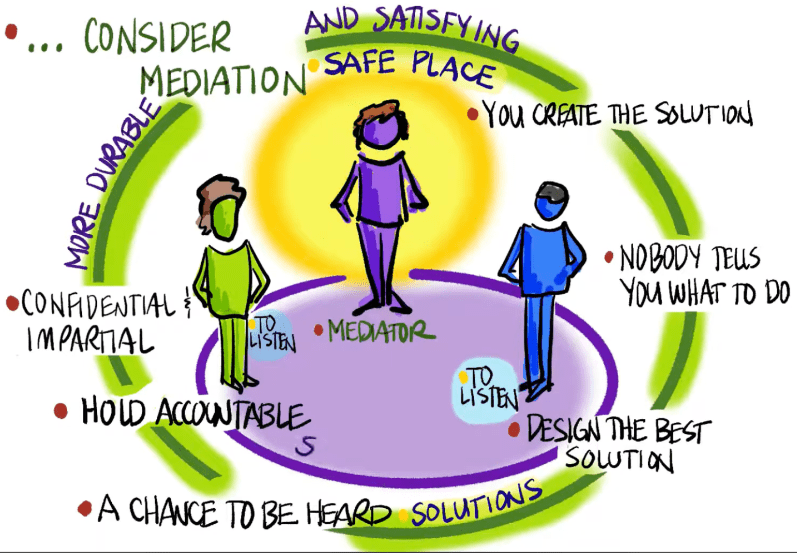
Constructive Conflict Framework #8: The Transformative Mediation Model
Read more: Constructive Conflict Framework #8: The Transformative Mediation ModelIn their book “The Promise of Mediation: The Transformative Approach to Conflict,” Robert A. Baruch Bush and Joseph P. Folger describe the model of Transformative Mediation, a catalyst to empower individuals and enhance relationships while resolving disputes. They recognized that traditional mediation models focused primarily on reaching settlements or agreements, often overlooking the deeper dynamics of conflict and the potential for personal growth and relational transformation. Key Principles of Transformative Mediation Bush and Folger’s Transformative Mediation model revolves around the two concepts of empowerment and recognition. Mediators create a safe and supportive environment by fostering active listening, empathy, and understanding,…
-
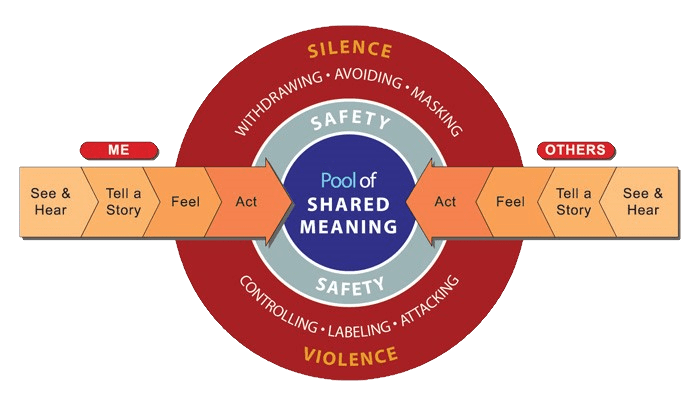
Constructive Conflict Framework #7: The Crucial Conversations Model
Read more: Constructive Conflict Framework #7: The Crucial Conversations ModelThe Crucial Conversations model is a framework developed by Kerry Patterson, Joseph Grenny, Ron McMillan, and Al Switzler in their book “Crucial Conversations: Tools for Talking When Stakes Are High.” It provides numerous tactics and a structured approach to handling difficult and important conversations effectively. A crucial conversation is one in which stakes are high, opinions vary, and emotions run strong. In these types of conversations, the model posits that people have a default reactive position of “silence,” withdrawing, avoiding, or masking or “violence,” controlling, labeling, or attacking. The goal of the model is making it so that everyone feels safe…
-

Constructive Conflict Framework #6: ZOPA, BATNA, and WATNA
Read more: Constructive Conflict Framework #6: ZOPA, BATNA, and WATNAIn their book, “Getting to Yes,” Roger Fisher and William Ury discuss Principled Negotiation, as referenced in the last article. As part of that Interest-Based Relational approach, they also delve into a few other useful negotiation concepts called the Zone of Possible Agreement (ZOPA), Best Alternative to a Negotiated Agreement (BATNA), and the Worst Alternative to a Negotiated Agreement (WATNA). The simplest example to use to explain these concepts it one where one negotiator is the Seller of goods or services, and the other is the Buyer. ZOPA In any sale, the Seller and the Buyer will each have a…

Tapping your inner strengths to accelerate your growth


